
Flash Nonfiction selected by Shuly Xóchitl Cawood
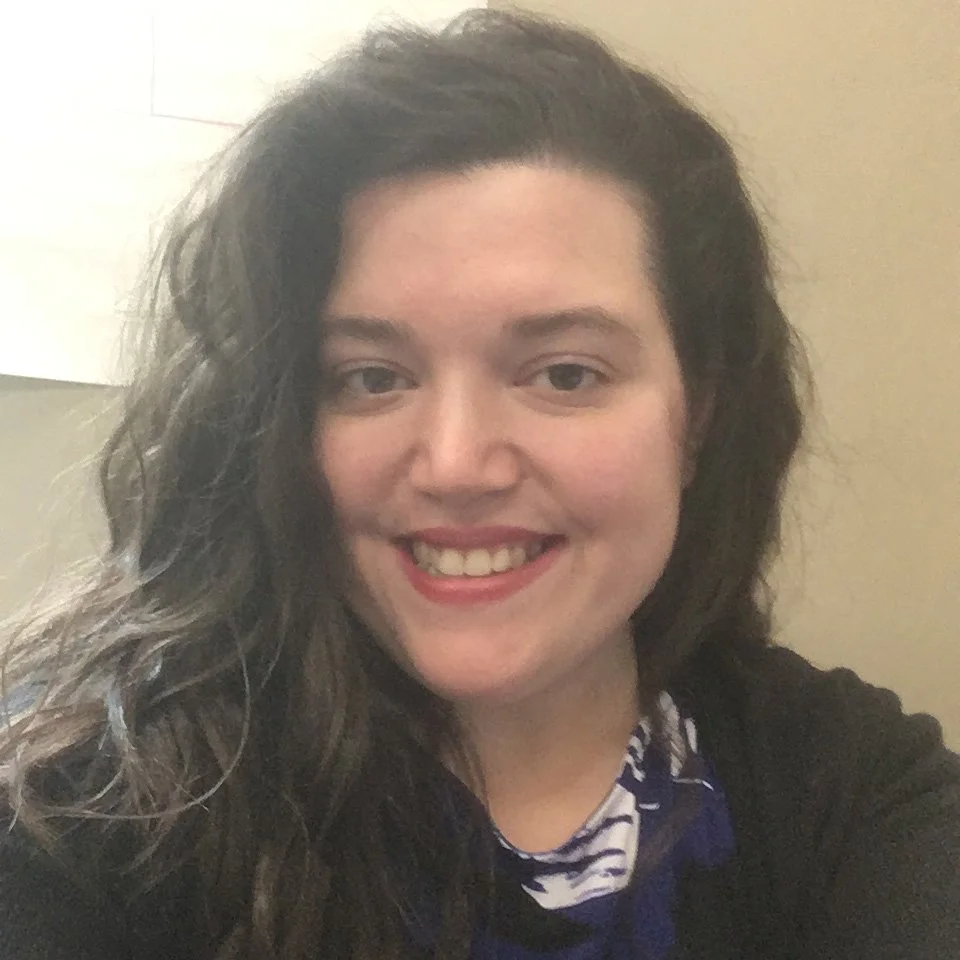
Bethany Bruno
“Evil Skunk”
Evil Skunk
The road runs straight as a taut string. On both sides, fields make a green and white quilt. Cotton blooms into fists. Corn lifts thin flags that clatter in the wind. Summer heat shakes the edges of the asphalt. Vultures wheel overhead and settle on fence posts like sentries who do not blink.
I drive this road often. Groceries. Daycare pickup. Library returns. A loop of errands that feels safe until it does not. The first time I noticed the bodies I was late for work. A raccoon lay with its paws tucked as if in sleep. A doe sprawled across the shoulder, ribs peaked like a tent. Farther on, a streak of fur and bone I could not name. I kept both hands on the wheel and swallowed. The day went on, but the road clung to me.
I scan the shoulder the way some drivers scan the sky for weather. When I see a shape, I feel that small collapse in my chest. I whisper a quiet sorry. I think of the last instant of surprise, the bright noise, the brake lights too late. The way a body yields to weight and does not rise again.
One afternoon my husband rode beside me. The air smelled like rain and fertilizer. We had music low, some old song about highways and home. I saw the black and white before I smelled it: a skunk at the edge of the ditch, fur slick with the previous night’s storm.
“Oh no,” I said, my voice thinning at the end. I could feel the tears brewing behind my eyes.
He turned to look at me, knowing full well I was on the verge of crying. Instead of teasing me, he shook his head and said, “Don’t feel bad. That was an evil skunk, not a good one.”
I laughed so hard the wheel tugged to the right. The two words unlatched the weight. “Evil skunk,” I repeated.
We told each other the skunk had plans. The skunk had a little ledger. The skunk ran a racket in the ditch. The skunk got what it had coming.
“Every time you see a dead animal, tell yourself it was evil,” he said. A trick. A charm for bad weather. A coin in the palm that keeps the hand steady.
I tried it. A possum with its long tail curled like a question mark. “Evil possum.”
A buck with velvet still on the antlers. “Evil deer.”
A fox with its mouth open as if it had a joke and forgot the punch line. “Evil fox.”
The words draped over the sadness and held it down until it stopped kicking.
It worked—not always, but enough to keep driving.
I think this is what we all do. We hear that a person has died and we say, He was not a good man. She was cruel. They were a problem. We tilt the scale to make the hurt fit the story. A neat trick. A small mercy. A lie that keeps the heart from tearing.
One evening, after a week of storms, I drove alone. The ditch ran high. In the far lane a doe lay on her side. A fawn stood in the grass and stared at the body. It took a step and then another. My hands went cold. I pulled to the shoulder and put my hazard lights on. Cars hissed by and lifted sheets of water.
The fawn stepped closer and then flinched. It reached with its nose and touched the doe’s flank. The small body shivered and held.
I did not say “evil deer.” I sat with my hands on the wheel and watched the young thing learn something it did not have a word for yet. A truck slowed but did not stop. The fawn lifted its head and met my eyes for one second. It looked not for help but for a hinge in the air where the door might open and the mother might stand up. Then it slipped through the fence and disappeared into corn.
I drove home with the music off. The next morning I took the same road. The doe was gone. The shoulder was clean. The ditch held a bit more water. Vultures circled with patient grace.
I told myself the crew came in the night.
I told myself the fawn found the herd.
I told myself the world moves fast because it must.
~ ~ ~
Bethany Bruno is a Floridian author and amateur historian. Born in Hollywood and raised in Port St. Lucie, she holds a BA in English from Flagler College and an MA from the University of North Florida. Her work has appeared in more than eighty literary journals and magazines, including The Sun, McSweeney’s Internet Tendency, River Teeth’s Beautiful Things, and The Huffington Post. Learn more at www.bethanybrunowriter.com
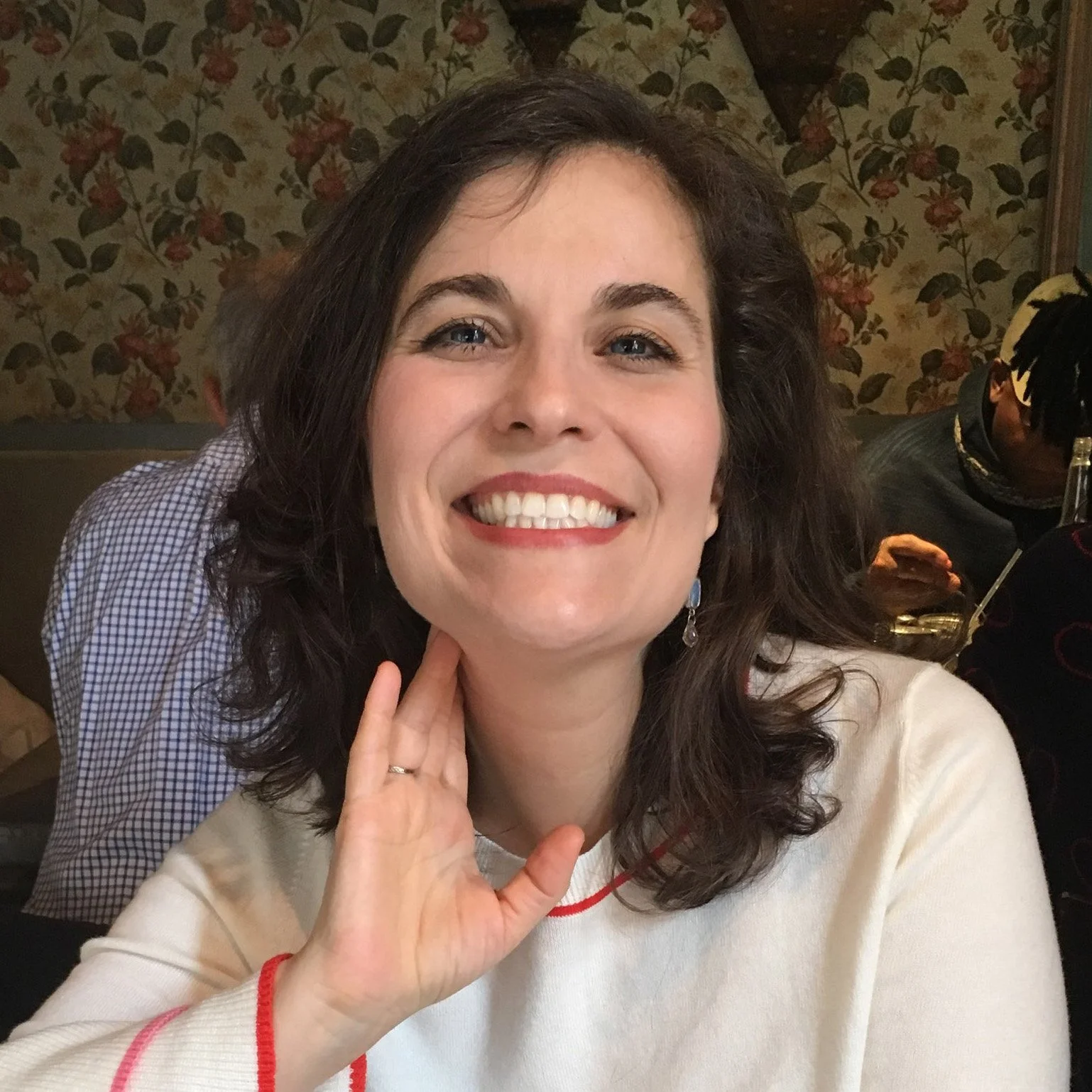
Melissa Ostrom
“Thanksgiving and Full”
Thanksgiving and Full
The mantel clock commands the house. You will always be a child here, this place where listening happens. Always, always, until you are dead. A two-man saw hangs on the wall; above the door, a saved nest. Get up, feed the fire. The hornet nest is like a tornado. The nubby sofa is your bed. Baked in plaster walls and old carpet: an accumulation of redolence. The painting on the saw is of a house, this house. Spit of flame, woodsmoke. Now the nest is a mummified head. The clock harbors a heart. It beats and beats, outlasting husbands, wives, children, a grandmother, a grandfather, and perhaps, eventually, you. Now the nest is itself again, all that remains after hornets freeze, the whole colony, except the queen, succumbing to winter. At least that’s what your granddad once said. The clock chimes the hour. If only you could sleep, but there are these curious decorations. The saw with its landscape is a saw nevertheless. Give it muscle, sweat, something to halve; it could work. Shadows shudder around the room. Fire has a sound, you know, and not just the crackle of burning wood. Fire screams. You’re tired, heavily so, filled with food, alone in your wakefulness and the fragrant warmth. Wind trills against the window. Which relative crocheted this blanket? Who or what is to blame for the holes? Moths, blanket forts, lovemaking? Elbows, fingers, toes? A life is looped yarn and slipped knots, chains and accidents. Bearable, you hope. But you can’t look away from the nest. There is the threat. To be queen of a doomed brood. To wake to frost and circle the paper shell. To find the smaller shells of your precious own. To be last. Say your bedtime prayer: Please, never that.
~ ~ ~
Melissa Ostrom is a teacher and ceramicist and the author of The Beloved Wild (Feiwel & Friends, 2018), a Junior Library Guild book and an Amelia Bloomer Award selection, and Unleaving (Feiwel & Friends, 2019). Her stories have appeared in many journals and best-of anthologies. She lives with her husband, children, and dog Mocha in Western New York. Learn more at www.melissaostrom.com or find her on Twitter or Bluesky @melostrom